HONDA 11210-300-060 Oil Pan 11210-300-050
fits model: Cb750, Cb750f, Cb, 750. make: Honda. year: 1972-78.
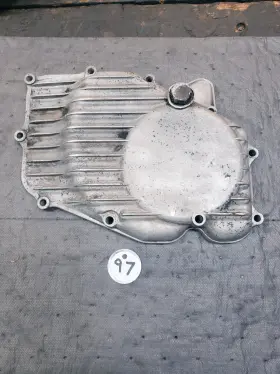
( Manufacturer Part Number: 11210-300-060 ), ( Type: Oil Pan ), ( Vintage Part: Yes ), ( Country Of Origin: Japan )
Review HONDA Oil Pan #11210-300-050 #11210-300-060 fits CB750 CB750F CB 750 1972-78
The Honda CB750 oil pan, model number 11210-300-060, is a crucial component of the engine cooling system for Honda CB750 motorcycles manufactured between 1972 and 1978. This oil pan is designed to hold and contain engine oil, ensuring proper lubrication of various moving parts within the engine.
This oil pan is manufactured to exacting specifications, ensuring a perfect fit and function within the motorcycle's engine compartment. It is made from high-quality, durable materials, including heavy-gauge steel, to provide reliable performance and longevity. The pan's smooth, streamlined design not only enhances the aesthetic appeal of the motorcycle but also facilitates efficient oil flow and cooling.
The oil pan features several drain plugs and baffles to facilitate easy oil changes and prevent oil sloshing during aggressive riding. The drain plugs are located at the front and rear of the pan, making it convenient for users to drain the oil without the need for additional tools or complicated procedures. The baffles, in turn, help maintain consistent oil level and prevent oil from splashing onto hot engine components during hard acceleration or braking.
This oil pan comes with all necessary hardware for installation, including gaskets, bolts, and washers. The gaskets are made from a high-temperature, oil-resistant material to ensure a tight seal between the oil pan and the engine block, preventing any potential oil leaks. The bolts and washers are designed for a secure fit and easy installation, making the process straightforward and hassle-free for users.
In summary, the Honda CB750 oil pan, model number 11210-300-060, is an essential replacement part for any Honda CB750 motorcycle manufactured between 1972 and 1978. Its durable construction, efficient design, and easy installation make it an excellent choice for riders looking to maintain their motorcycle in top condition.
Honda CB750 Oil Pan (11210-300-060): A Comprehensive Analysis
Introduction:The Honda CB750 is a classic motorcycle model from the 1970s, known for its reliability and performance. The oil pan is an essential part of the engine system, and if it gets damaged or wears out, it needs to be replaced. In this analysis, we will discuss the pros and cons of buying a Honda CB750 Oil Pan (11210-300-060) to help you make an informed decision.
Pros:1. OEM (Original Equipment Manufacturer) Part: This oil pan is an original Honda part, ensuring a perfect fit and compatibility with your CB750.
2. High-Quality Material: The oil pan is made of durable cast aluminum, which is rust-resistant and lightweight.
3. Precise Engine Protection: The oil pan shields the engine from debris and contaminants, providing optimal engine protection.
Cons:1. Cost: The Honda 11210-300-060 oil pan is priced higher than aftermarket alternatives, which might be a significant investment for some.
2. Availability: Due to its OEM status, this oil pan might be less readily available than aftermarket alternatives, which could cause delays in repairs.
Ending Conclusion:When considering purchasing the Honda CB750 Oil Pan (11210-300-060), it is essential to weigh the advantages and disadvantages. This OEM part offers superior quality, perfect fit, and excellent engine protection. However, it comes with a higher price tag and may be less readily available compared to aftermarket alternatives. Ultimately, if you value the peace of mind that comes with using an OEM part and have the budget for it, the Honda CB750 Oil Pan (11210-300-060) is an excellent choice. On the other hand, if you are looking for a more budget-friendly option, you might want to explore aftermarket alternatives.
Recommendation:If you prioritize a perfect fit, superior quality, and optimal engine protection, the Honda CB750 Oil Pan (11210-300-060) is a recommended option. However, if you are budget-conscious and willing to accept a slight risk in terms of compatibility and quality, you may consider exploring aftermarket alternatives. Ultimately, the decision depends on your priorities and budget.
Details:
part #: 11210300060 prices
- $40.00-$200.00
specifications oilpandan:
- for models: Cb750, Cb750f, Cb, 750
- for makes: Honda
- for years: 1972-78
- mpn: 11210-300-060
- type: Oil Pan
- vintage part: Yes
- country of origin: Japan
general oilpandan:
- condition: Used
- Motorcycle Scooter Parts Accessories > Engines Engine Parts > Oil Pans
returns oilpandan:
- time: 30 Days
- paid by: Buyer
- policy: Returns Accepted
seller oilpandan:
- city: Spokane, Washington
- rating: 100.0%
- # reviews: 2716
offer oilpandan:
- best offers: True
- quantity: 1
- sold: 0
- started: February 4, 2026
- availability: In Stock
- options: Ship-to-home
shipping oilpandan:
- transit: 3-7 Days
- service: USPS Ground Advantage
- class: Standard
- type: Calculated
- carrier: USPS
- cost: $0.00
payments oilpandan:
- credit card: Mastercard
- other
- wallet: Apple-pay
Honda 11210-300-060 Is Similar To:
- Honda 15650-216-000 Cb Cl 160 Engine Oil Gauge Dipstick Filler Plug 1965-1969 (35.8% similar) Just because the nice person you purchased your bike from told it was a 2005 , does not mean that is. Just because the nice person you bought your bike from said it was a 2001 , doesn't mean that is. Item: dipstick: used, in good working condition. Part NUMBER:CB160 65...(May 22nd, 2024)
- Honda 15650-449-000 Cx 500 Shadow Oil Gauge Dipstick Filler Plug 1980-1985 (37.7% similar) Fitment: bikes shown. Honda CZ 500 shadow oil gauge dipstick filler plug 15650-449-000 1980 -1985. Just because the nice person you purchased your bike from told it was a 2005 , does not mean that is. On very rare occasions, items may be damaged or lost while in storage. Just because the...(May 22nd, 2024)
- Honda 11211-mt3-000 2001 91-03 St1100 Oem Oil Pan Engine Motor Bottom Cover Sump Belly (35.1% similar) Office use: Lr-do 01ST1100-100011...(May 22nd, 2024)
- Honda 15650-086-000 1977-1979 78 Xl75 Xl 75 Oil Dipstick Checker (43% similar) For sale is the oil dipstick checker that was removed from a 1977 -79 honda XL75. The condition of this item is displayed in the pictures above. I do my best to describe the condition of parts in and pictures...(May 22nd, 2024)
- Honda 15650-051-690 1972 72 Sl70 Sl 70 Xl70 Oil Dipstick Checker (38.9% similar) I do my best to describe the condition of parts in and pictures. The condition of this item is displayed in the pictures above. For sale is the oil dipstick checker that was removed from a 1972 honda SL70...(May 22nd, 2024)
- Honda 15650-376-000 1976 72-76 Xl250 Xl 250 K3 Oil Dipstick Checker (44.7% similar) I do my best to describe the condition of parts in and pictures. For sale is the oil dipstick checker that was removed from a 1976 honda XL250. The condition of this item is displayed in the pictures above...(May 22nd, 2024)
- Honda 11210-mbb-000 Vtr1000f Super Hawk Firestorm 1000 Engine Motor Oil Drain Bottom Pan Sump (33.7% similar) Honda super hawk 10 oil pan. INV1765, 1765-115, 106D box fits make: honda. Condition: this is a used oil pan in good condition. Condition: used. Fits model's: VTR1000F super hawk / firestorm: 1998 , 1999 2000 . Part # 11210-MB-000. It is a little dirty from previous use...(May 22nd, 2024)
- Honda 11210-mk3-000 1986 Vf700 C Magna Engine Oil Pan Lower Bolts 96001-06028-00 (52.1% similar) Great for a restoration or replacement of hard to find oem part, modifying. Rare and hard to find. Please double-check parts and/or numbers where applicable yourself to ensure fitment. Clean with light oxidation and spots of grease here there. Great for a repair, restoration, custom or...(May 22nd, 2024)
- Honda 11210-mgp-000 12-16 2012 2013 2014 2015 2016 Cbr 1000rr Cbr1000rr Engine Motor Oil Pan (40.7% similar) Removed from a 2016 BR 1000 twill fir 12-16 BR RR no damage everything you see in the picture is included, what u getting, all screws and bolts are included any questions please dont hesitate to ask...(May 23rd, 2024)
- Honda 11210-mat-000 1998 97-00 Cbr1100xx 1100 Blackbird Oem Oil Pan Engine Bottom Cover Case (44.1% similar) Office use: Lr-rs 98CBR1100X-100117...(May 23rd, 2024)
- Honda 92800-12000 1972 72 Sl70 Sl 70 Xl70 Oil Drain Bolt (44% similar) There are heavy marks and scars on these parts. For sale is the oil drain bolt that was removed from a 1972 honda SL70. The condition of this item is displayed in the pictures above. I do my best to describe the condition of parts in and pictures...(May 23rd, 2024)